Cancellation of “SEZ” conclusions in Ukraine
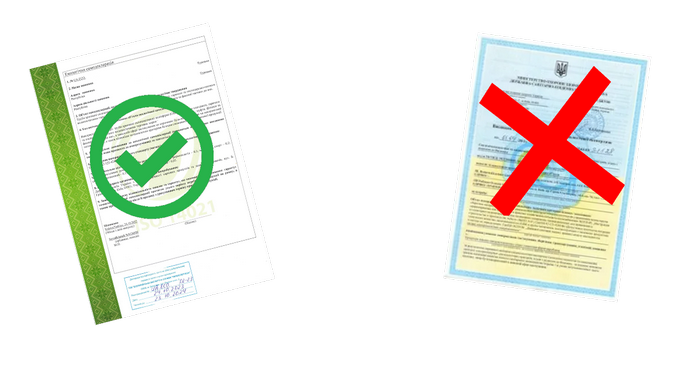
Our country is gradually moving forward in the issues of eliminating trade barriers with the European Union and the entire civilized world. Thus ended the long-standing history of another permitting document in Ukraine - the Conclusion of the State Sanitary and Epidemiological Expertise (or the Conclusion of the DSEE), known to many under such names as: the conclusion of the SEZ, SES, Sanepidemiological conclusion, the conclusion of the sanitary station, etc. This is due to the fact that from 01.10.2023 the Law of Ukraine of 1994, "On Ensuring the Sanitary and Epidemiological Well-being of the Population", lost its effect, and with it the need to issue such a conclusion disappeared.
Over the almost 30-year existence of the DSEE conclusion, it has become an integral part of the set of permits for products in many areas (light industry products, chemical products, materials in contact with food products, household products, building materials, pipes and materials for water supply, dishes, toys and much more).
In the context of sustainable development of technologies, deregulation and European integration processes of the Ukrainian economy, the sanitary conclusion has gradually lost its significance and relevance. And since this legislative requirement contradicts European approaches - it was completely abolished in 2023. A new law was adopted to replace the 1994 Law - the Law of Ukraine, "On the Public Health System Built on International and European Practices of Ensuring Public Health." Among other things, in order to prevent epidemics and mass diseases, an assessment of toxicological, epidemiological and hygienic properties is used. Interestingly, now compliance with the standards is not certified by state MSECs, but by independent laboratories accredited according to the international standard ISO/IEC 17025.
Cancellation of the UkrSEPRO certification system

What should manufacturers and importers of products do now? How can you now issue a certificate of conformity? After all, shops, supermarkets and tender committees will still require a certificate.
So, what is the UkrSEPRO system, how did it appear and why is it being canceled?
In 1993, the Decree of the Cabinet of Ministers "On Standardization and Certification" No. 46-93 was published, which initiated the Certification System. This system was based on the old Soviet GOSTs and was supplemented by revised or developed new Ukrainian DSTUs. And already on February 1, 2005, the Order of the State Committee for Consumer Protection and Standardization of Ukraine No. 28 determined the list of products and services subject to mandatory certification in Ukraine.
Initially, this list included a huge number of food and non-food products and services. It included electrical products for household and industrial purposes, machine tools and mechanisms, pressure equipment, gas-fired equipment, cosmetics and detergents, weapons, cars and spare parts for them, building materials, children's clothing and footwear, underwear, personal protective equipment, tobacco and alcoholic products, tea, coffee, mineral water, fish, baby food and much more.
On the one hand, such a certification system protected the market from low-quality products, on the other hand, it hindered the development of industry and technologies. This was expressed in the fact that the UkrSEPRO system was based on outdated GOSTs of the 70s-80s and domestic DSTUs developed in the 90s. Obviously, in those years, neither new materials and technologies that are currently used in industry, nor entire industries, were foreseen.
In North America, Australia, and Europe, it has long been understood that state control of the certification sector cannot keep up with the speed of technological development, and such an approach will slow down their development. Therefore, mandatory state certification in these countries was abolished back in the 1980s. Starting in the mid-2000s, specialized technical committees worked on the transition of the domestic certification system to a more modern and flexible conformity assessment system - a modular system for assessing conformity to Technical Regulations.
With each Technical Regulation put into effect, the list of products subject to mandatory certification was reduced, and from the beginning of 2018 this list will be abolished altogether.
How can I get a certificate now if there is no state certification system?